Sustainability is becoming a major priority for property managers, strata groups, and facility operators across Australia. With commercial buildings generating large volumes of waste each year, businesses are under increasing pressure to implement effective recycling programs. Regulations such as the Recycling and Waste Reduction Act 2020 are also encouraging businesses to adopt more responsible waste management practices.
Commercial properties, including office buildings, retail centres, and mixed-use developments, often generate large volumes of recyclable beverage containers through staff kitchens, food courts, events, and retail tenants. Without a structured system, many of these containers still end up in landfills.
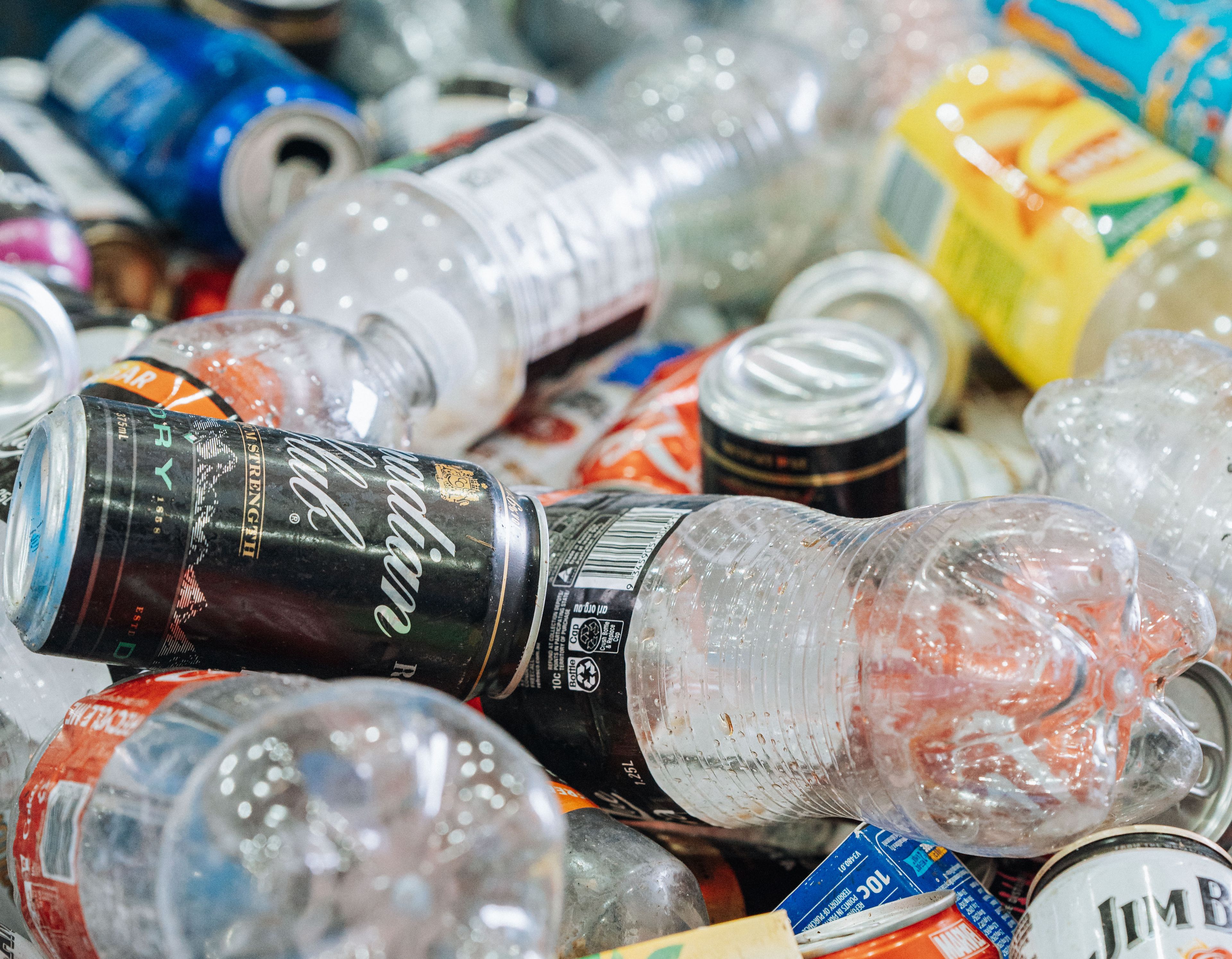
Programs like Return and Earn offer a scalable recycling solution for Australian commercial buildings. By collecting eligible beverage containers, businesses can recycle and earn refunds, reducing waste while generating additional revenue.
This guide is designed to help commercial property owners and managers take practical steps toward building a more sustainable, waste-conscious operation.
What Is a Commercial Recycling Solution in Australia?
A commercial recycling solution in Australia refers to waste management systems specifically designed for businesses, offices, retail centres, warehouses, and mixed-use commercial properties. These services go beyond basic waste collection by focusing on resource recovery and reducing the volume of waste sent to landfills.
Professional commercial recycling services typically manage multiple material streams, including:
- Paper and cardboard
- Plastics
- Glass and metals
- Beverage containers
- Organic waste
- Electronic waste
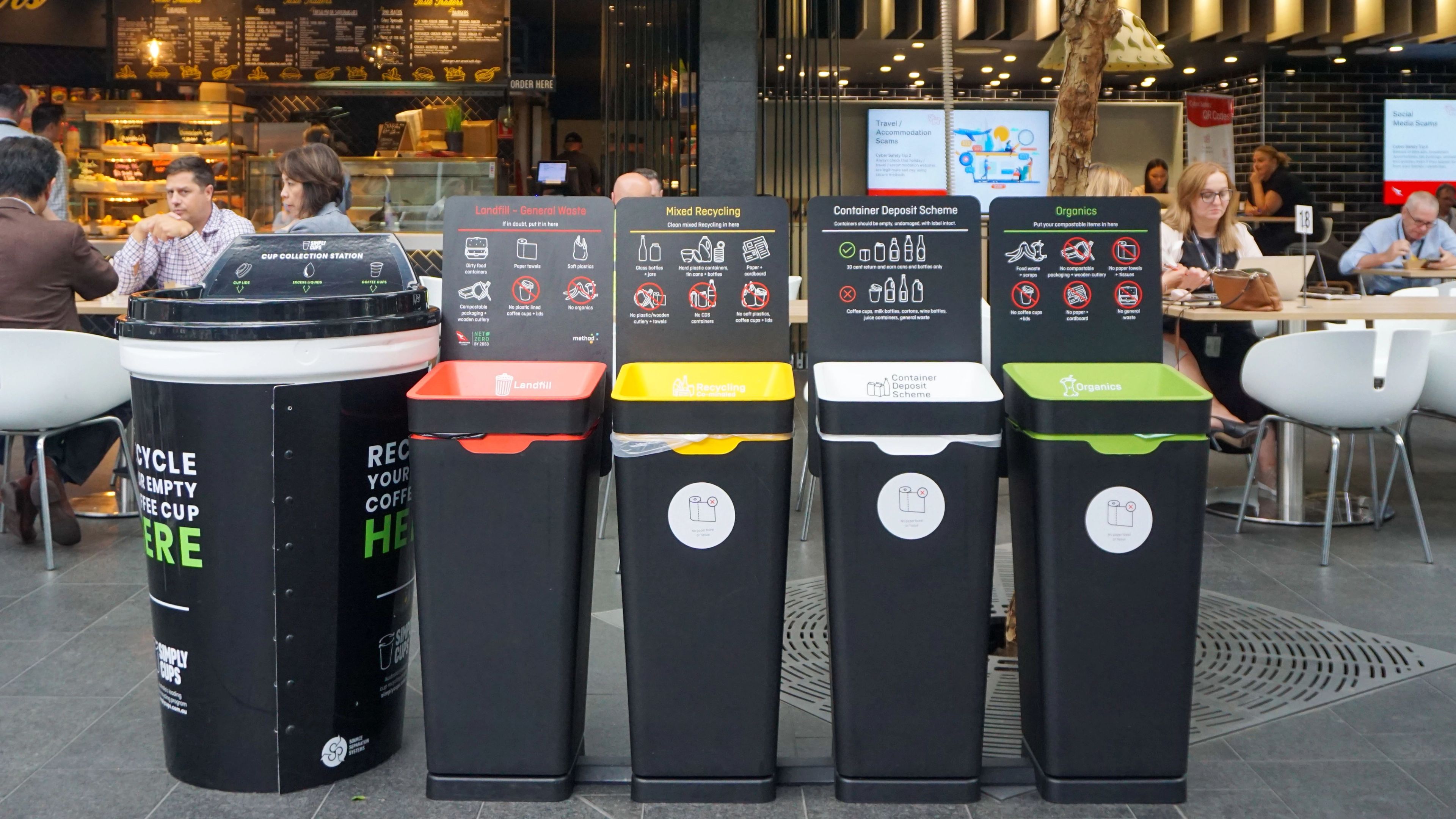
Providers often begin with a waste assessment to understand what materials a business generates and identify opportunities to improve recycling rates.
Equipment also plays an important role in effective commercial recycling. Businesses may use a range of infrastructure, including:
- Standard 240L workplace bins
- Larger 660L or 1100L recycling bins
- Front-lift containers
- Compactors and balers
- Specialised recycling cages
For beverage containers specifically, Return and Earn supports structured collection through the NSW container deposit scheme. Businesses can collect eligible containers across their facilities and arrange bulk processing through commercial recycling partners.
This approach allows organisations to recycle and earn refunds while contributing to Australia's broader circular economy, where materials are recovered and reused rather than sent to landfill.
The Growing Regulatory Pressure on Commercial Waste
Regulatory pressure around commercial waste management is increasing across Australia, particularly in New South Wales. Government agencies are introducing stricter policies designed to reduce landfill waste and improve recycling rates.
One major initiative involves mandatory food waste separation requirements being introduced by the NSW Environment Protection Authority (EPA). The program will roll out in stages beginning on 1st July 2026, requiring businesses that generate large volumes of food waste to separate it from general waste.
Businesses that produce 3,840 litres or more of food waste per week (equivalent to 16 × 240L bins) will be required to comply first. The mandate will gradually expand to businesses with lower waste volumes, with additional compliance phases scheduled for 2028 and 2030.
These requirements will affect many commercial environments, including:
- Supermarkets and grocery stores
- Cafes and restaurants
- Hotels and hospitality venues
- Schools and hospitals
- Food manufacturers and processing facilities
Failure to comply can result in significant penalties. Businesses may face fines of up to $764,495 with additional daily penalties for ongoing non-compliance.
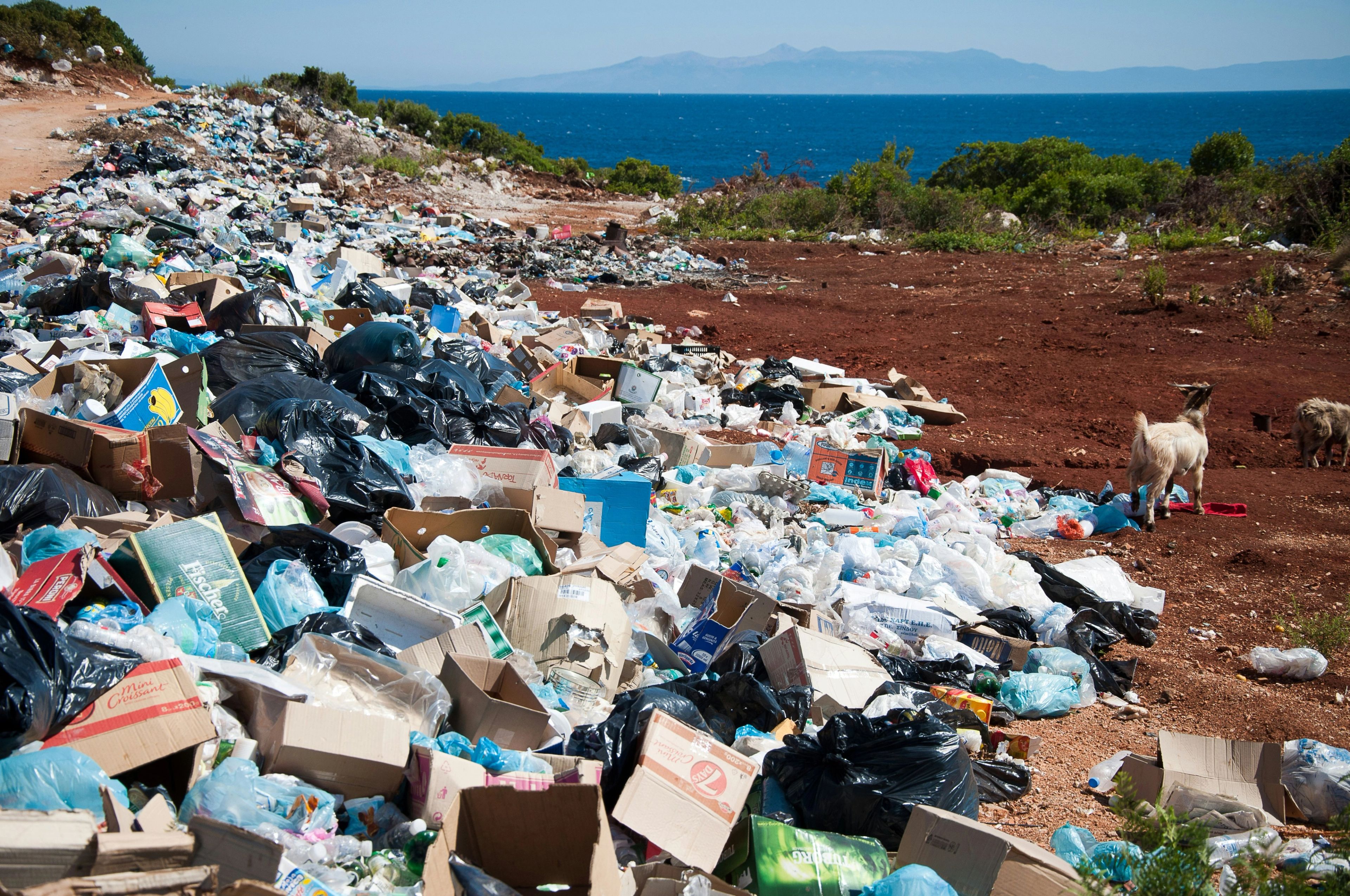
The urgency behind these regulations is also linked to landfill capacity concerns. Greater Sydney is expected to run out of landfill space by 2030, while food waste alone contributes roughly 3.1 million tonnes of CO₂-equivalent emissions annually, accounting for more than half of landfill emissions.
Implementing a structured recycling solution in Australia helps businesses stay ahead of regulatory changes while reducing environmental risk and improving waste diversion outcomes.
How to Implement Recycling in Commercial Buildings
Introducing an effective recycling system in commercial buildings requires a structured approach that focuses on both infrastructure and participation.
Conduct a Waste Audit
The first step is analysing current waste patterns. A waste audit identifies what materials are being generated and where recycling opportunities exist. This information helps property managers determine bin sizes, placement, and collection schedules.
Identify High-Volume Areas
Certain locations generate more recyclable waste than others. High-volume areas commonly include:
- Food courts
- Staff kitchens and break rooms
- Event or conference spaces
- Retail food outlets
Targeting these areas ensures recycling bins are placed where they will be used most effectively.
Install Clear Signage and Labelled Bins
Clear signage improves participation and reduces contamination. Well-labelled bins help building occupants understand which materials belong in each stream.
Schedule Bulk Collection Services
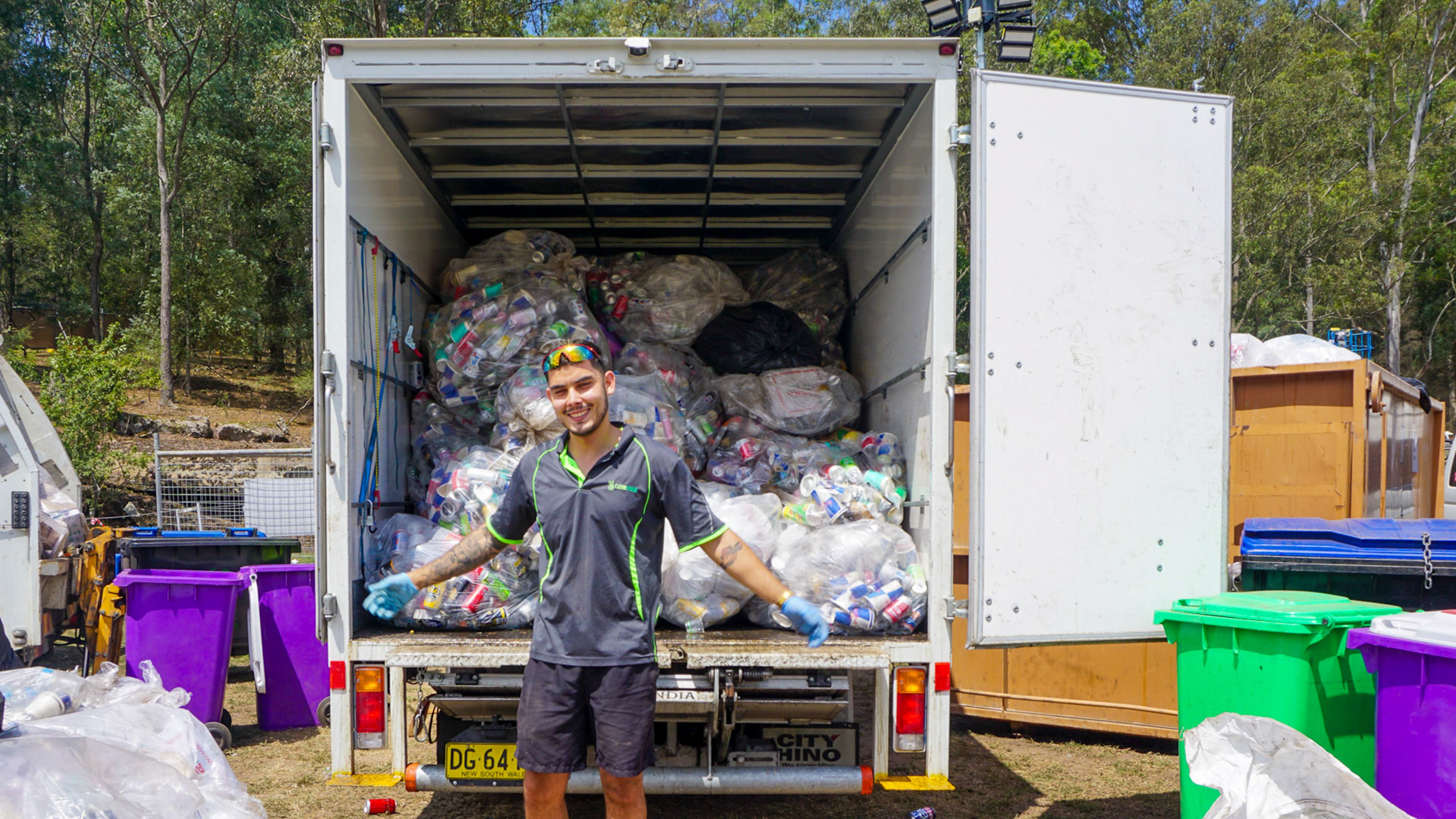
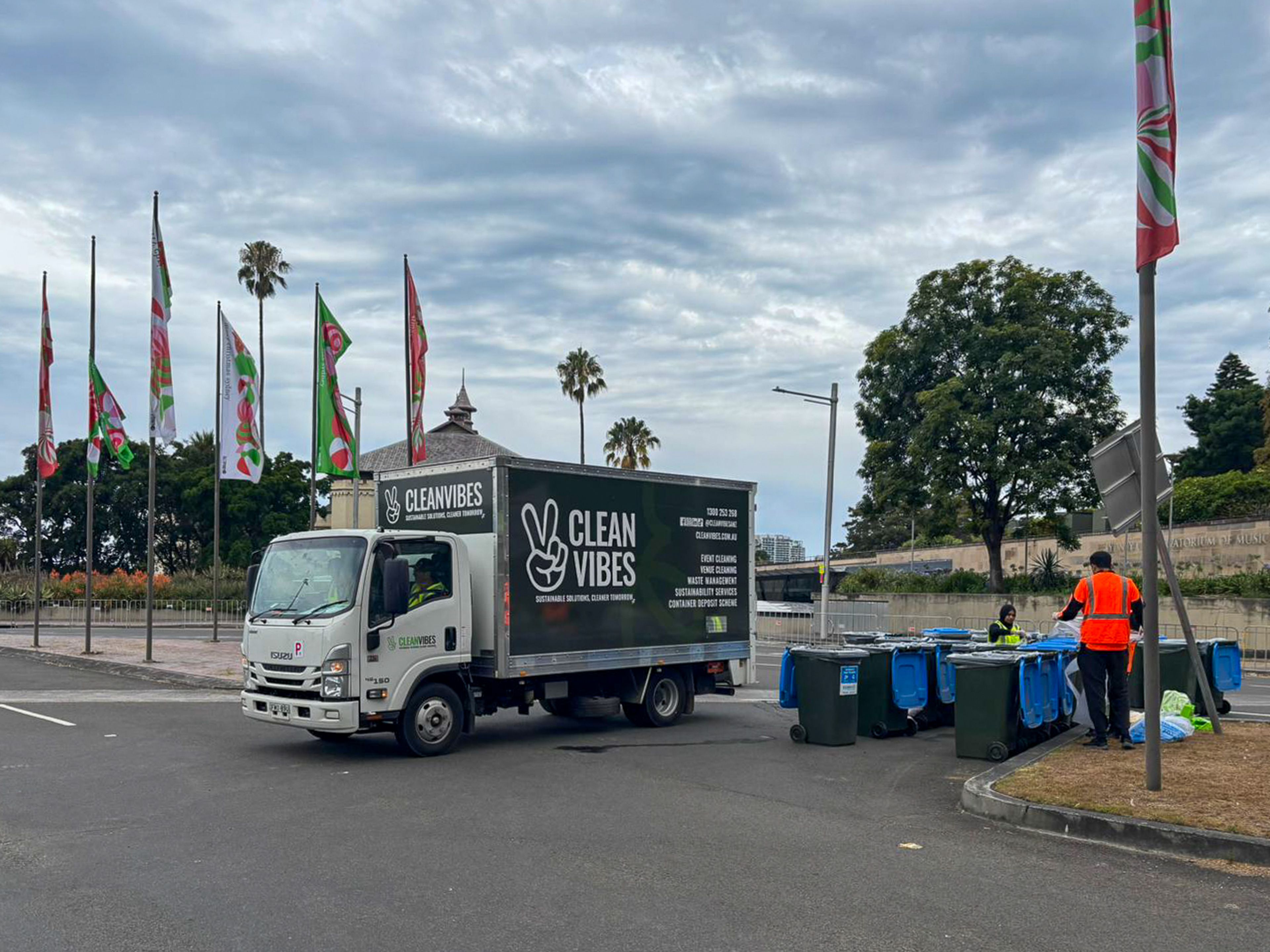
For properties generating large numbers of beverage containers, arranging recurring bulk collections simplifies recycling operations. Recycling providers like City Return & Earn provide convenient pickup services that support high-volume container recycling.
Monitor Recycling Performance
Tracking participation, contamination levels, and refund amounts helps property managers optimise their recycling programs. Regular monitoring allows businesses to adjust bin placement, increase collection frequency, or improve education efforts.
Financial and Environmental Benefits
Implementing a structured commercial recycling solution program delivers measurable financial and environmental benefits.
Generate Revenue Through Container Deposits
Programs like Return and Earn allow businesses to collect refunds on eligible beverage containers. High-volume commercial properties can accumulate significant refunds over time.
Reduce Landfill Costs
Landfill levies in states such as NSW now exceed AUD 244 per tonne, making waste diversion increasingly cost-effective. Recycling reduces the amount of waste requiring landfill disposal, lowering collection costs.
Create Additional Revenue Streams
Recyclable materials retain market value. For example:
- White office paper can sell for approximately AUD 150–221 per tonne
- Corrugated cardboard can generate around AUD 117–160 per tonne
This transforms waste from a cost centre into a potential revenue opportunity.
Improve Sustainability Performance
Recycling also delivers major environmental benefits. Producing aluminium from recycled material uses up to 95% less energy, while recycled paper manufacturing reduces energy consumption by around 60%.
These improvements help businesses meet sustainability targets, strengthen environmental credentials, and attract environmentally conscious tenants and customers.
Why Commercial Clients Choose City Return & Earn
Managing large volumes of recyclable containers can be challenging for commercial properties. Specialist recycling providers help simplify the process and ensure efficient recycling operations.
Commercial clients choose City Return & Earn because the service offers:
- Bulk container pickup services designed for high-volume commercial properties
- Efficient container counting and processing to ensure accurate refund calculations
- Transparent refund reporting, with businesses able to request detailed reports or receipts via email
- Reliable service across NSW for consistent collection and recycling support
- Flexible scheduling tailored to the needs of busy commercial buildings
By partnering with an experienced provider, property managers can ensure their recycling programs run smoothly while maximising the financial benefits of container deposit refunds.
Conclusion
Commercial buildings produce significant volumes of recyclable waste, yet much of it still ends up in landfill without a structured system in place. Implementing the right recycling solution helps reduce environmental impact, improve sustainability performance, and generate revenue through programs like Return and Earn.
From office towers and retail centres to mixed-use developments, every commercial property has an opportunity to turn everyday waste into a measurable sustainability outcome.
City Return & Earn makes it easy for commercial property owners and managers across Sydney to set up scalable, tailored recycling systems that support compliance and contribute to Australia's circular economy. To design a recycling solution that works for your property, speak with our team today.
A commercial recycling solution in Australia is a structured waste management system designed for businesses. It helps offices, retail centres, and commercial properties collect, sort, and recycle materials like paper, plastics, and beverage containers, reducing landfill waste while supporting sustainability and regulatory compliance.
Return and Earn allows office buildings to collect eligible beverage containers such as bottles and cans from staff kitchens or common areas. These containers are returned through a recycling partner, and the business receives a refund for each container while reducing landfill waste.
Yes, strata managers and property managers can arrange bulk recycling services for commercial or residential buildings. These services include container collection, recycling infrastructure, and scheduled pickups, helping buildings manage large volumes of recyclable waste efficiently while improving waste diversion outcomes.
Businesses that generate large amounts of packaging or beverage containers benefit most from commercial recycling. This includes offices, retail centres, cafes, restaurants, hotels, event venues, and large institutions that want to reduce waste, lower costs, and improve sustainability performance.
Yes, commercial recycling helps improve sustainability ratings by reducing landfill waste and supporting responsible resource management. Effective recycling programs demonstrate environmental commitment, help meet sustainability targets, and can enhance the reputation of commercial properties with tenants, investors, and customers.
Bulk recycling collections can be tailored to your needs, depending on the volume of recyclable materials generated. Many recycling providers also offer flexible collection schedules, allowing commercial properties to adjust services based on operational needs or seasonal demand.
Take Action Today for a Greener Tomorrow
Join us in our mission to reduce environmental impact and build a greener community for generations to come.